Understanding Zone 2A Humidity and Your Attic
Belton sits in IECC Zone 2A, a climate classification that brings warm, humid summers and moderate winters. This humidity profile creates a unique challenge for homeowners: moisture management in the attic. When warm, moist air rises into an inadequately sealed attic, it meets cooler surfaces and condenses, leading to mold growth, wood rot, and structural damage that can cost thousands to repair.
The problem intensifies because many older homes in the Belton area were built with traditional fiberglass insulation and minimal air sealing. These materials allow moisture to pass through freely, and gaps around rafters, vents, and electrical penetrations let humid air infiltrate continuously. Over time, this moisture accumulation becomes invisible but devastating, compromising both the integrity of your home and the efficiency of your heating and cooling systems.
Why Attic Air Sealing Is Non-Negotiable in Zone 2A
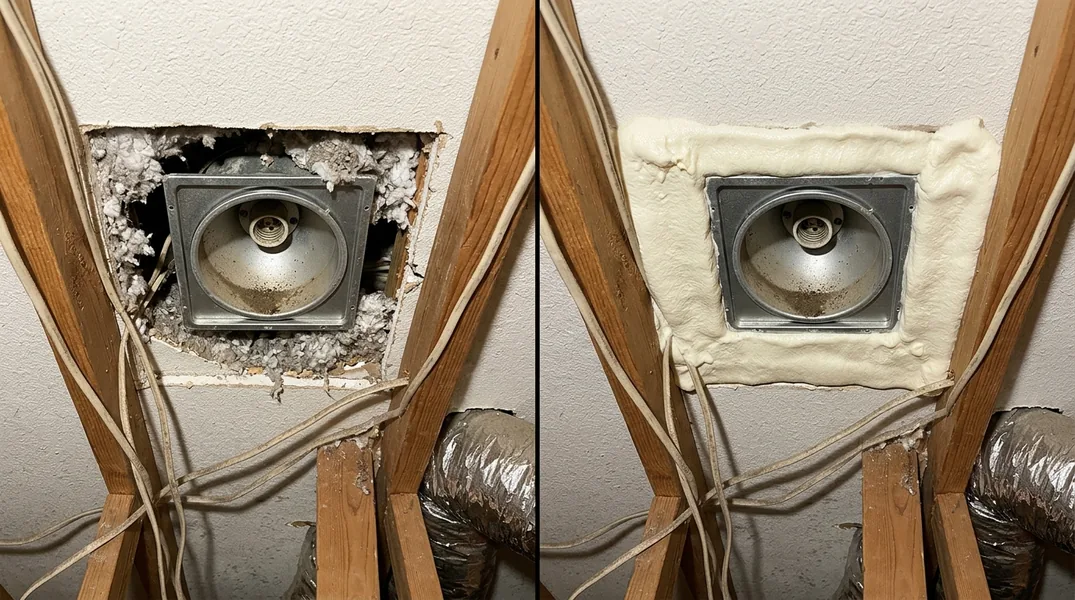
Attic Spray Foam Insulation addresses the root cause of moisture problems by creating a continuous air barrier that prevents warm, humid air from entering the attic space. Unlike traditional insulation, spray foam expands to fill every crack, crevice, and gap, eliminating the pathways that allow moisture-laden air to infiltrate. This comprehensive sealing is essential in Zone 2A climates where humidity levels regularly exceed 70 percent during summer months.
When you seal your attic properly, you're not just stopping moisture; you're also preventing conditioned air from escaping. In Killeen and surrounding areas, homeowners report energy savings of 15 to 30 percent after air sealing their attics. Your air conditioning system no longer works overtime to cool air that's leaking out through the attic, and in winter, heated air stays inside where it belongs. The payback period on a professional air sealing job typically ranges from five to eight years, after which the energy savings are pure benefit.
Closed Cell vs. Open Cell Spray Foam: Which Works Best for Belton?
Closed Cell Spray Foam Insulation is the superior choice for Zone 2A attics because it provides both an air barrier and a vapor barrier in one application. Closed cell foam has a density of 1.5 to 2 pounds per cubic foot and contains millions of tiny, sealed cells that prevent moisture from passing through. This dual function makes it ideal for humid climates where moisture control is as important as thermal insulation. The R-value per inch is also higher, typically ranging from 6 to 7, meaning you need less material to achieve excellent insulation performance.
Open Cell Spray Foam Insulation remains a valid option for some applications, but in attics exposed to humidity, it's generally not recommended. Open cell foam is vapor-permeable, which means moisture can pass through it. In a humid climate like Belton's, this characteristic defeats the purpose of air sealing. Open cell foam does offer a lower R-value per inch (around 3.5 to 3.7) but costs less upfront. However, the long-term moisture risks make closed cell the better investment for attic protection.
How Spray Foam Protects Against Mold and Structural Damage
Mold thrives in damp, dark environments, and an improperly sealed attic in Belton is the perfect breeding ground. Mold spores enter your living spaces through air leaks and can trigger respiratory issues, especially in children and elderly family members. Beyond health concerns, mold damages insulation, weakens roof framing, and can lead to costly remediation efforts. Closed cell spray foam eliminates the moisture pathways that allow mold to establish itself, creating an inhospitable environment for fungal growth.
Wood rot presents another serious threat. The roof trusses and rafters that support your entire home are vulnerable when moisture accumulates over months and years. Once wood begins to rot, structural repairs can exceed ten thousand dollars or more. Proper attic air sealing with Attic Spray Foam Insulation prevents this scenario by maintaining a dry attic environment. By stopping humid air at the source, you protect the wooden framework that your home depends on, ensuring it remains strong and rot-free for decades.
Attic Spray Foam Insulation Cost in Killeen: What to Budget
The pricing for attic spray foam insulation in Killeen depends on several factors, including the size of your attic, the R-value you're targeting, and whether you choose closed cell or open cell foam. Most residential attics range from 800 to 2,000 square feet, and closed cell spray foam typically costs between 1.50 and 2.50 dollars per board foot. For a 1,200-square-foot attic sealed to R-38 specifications, homeowners should expect an investment in the range of 3,500 to 5,500 dollars, including labor and materials.
While this upfront cost may seem significant, remember that energy savings and protection against moisture damage represent genuine long-term value. Many homeowners also benefit from federal tax credits and utility rebates that can offset a portion of the installation expense. Additionally, improved home comfort, better indoor air quality, and peace of mind knowing your attic is properly sealed are benefits that extend beyond simple dollar-for-dollar payback calculations. To understand your specific situation and receive a detailed breakdown of costs, reach out to Killeen Spray Foam Insulation for a free estimate.
Professional Installation Near Me: Why Expertise Matters
Installing spray foam insulation in an attic requires specialized equipment, training, and knowledge of building codes and moisture dynamics. DIY attempts often result in incomplete coverage, improper mixing ratios, and inadequate air sealing, leaving you vulnerable to the same moisture problems you're trying to solve. Professional installers from Killeen Spray Foam Insulation understand Zone 2A climate challenges and apply best practices specific to your region. They verify that all penetrations, including electrical chases, plumbing vents, and exhaust ducts, are properly sealed before applying foam.
A qualified contractor also ensures that your attic maintains proper ventilation where needed and that the spray foam installation complies with local building codes and fire safety standards. In Belton, where summer heat and humidity push attic temperatures to 150 degrees Fahrenheit or higher, professional installation guarantees that your insulation will perform as designed. If you're ready to protect your home with expert attic air sealing, call Killeen Spray Foam Insulation at (254) 312-9738 or visit our website to schedule your assessment today.
Looking for a professional spray foam insulation contractor in Killeen? Killeen Spray Foam Insulation responds fast for all your spray foam insulation needs.
Get a Free Quote