Understanding Spray Foam Insulation for Older Killeen Homes
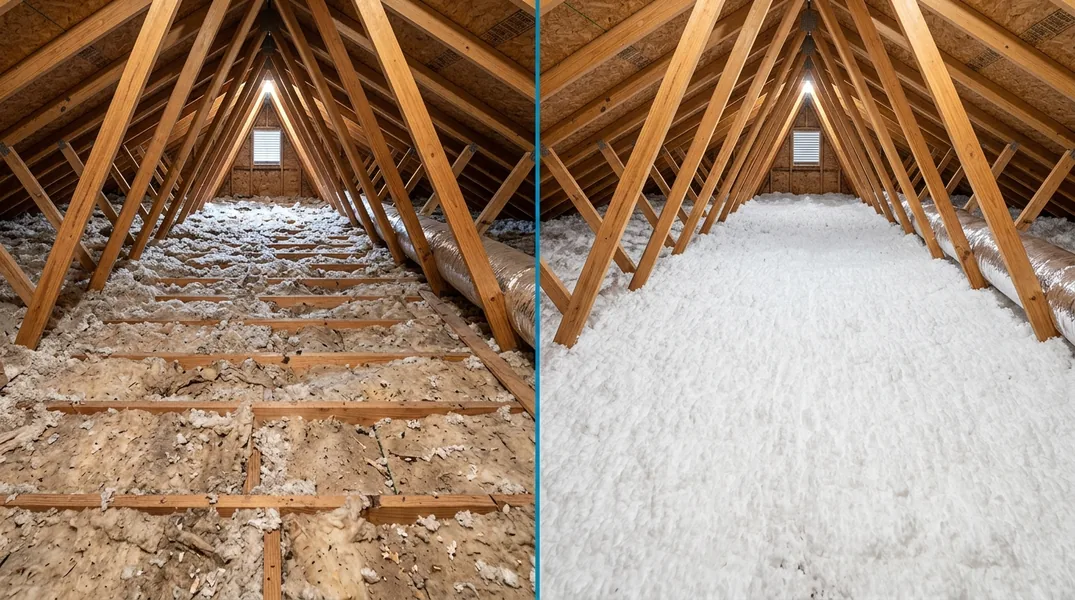
Homes built in the 1980s around Killeen and Harker Heights often struggle with energy efficiency. Military-era construction prioritized affordability and speed over thermal performance, leaving many of these properties with inadequate insulation, air leaks, and inconsistent temperature control. If you own a home from this era, you've likely noticed higher utility bills, uncomfortable hot spots in summer, and cold zones in winter.
Attic Spray Foam Insulation has emerged as one of the most effective solutions for retrofitting these older homes. Unlike traditional fiberglass batts that were common in 1980s construction, spray foam creates a continuous thermal barrier that seals gaps, cracks, and hard-to-reach spaces. This approach directly addresses the root causes of energy loss in aging homes and can deliver measurable improvements in comfort and utility costs within months of installation.
Is Spray Foam Insulation Worth It? A Cost-Benefit Analysis
The question of whether spray foam insulation is worth the investment depends on your specific situation, but for most homeowners in Killeen, the answer is yes. Initial pricing for spray foam runs higher than traditional insulation, typically ranging from $1.50 to $3.50 per board foot for Closed Cell Spray Foam Insulation and $0.50 to $1.50 for Open Cell Spray Foam Insulation. However, the long-term savings often justify the upfront expense.
Energy savings typically range from 15 to 30 percent on heating and cooling costs, with many homeowners seeing payback periods of five to eight years. Beyond energy savings, spray foam adds structural integrity to your home, reduces noise transmission, and creates a more consistent indoor temperature year-round. For 1980s military-era homes that already have compromised insulation, the upgrade often delivers faster returns than it would in newer construction. Additionally, improved comfort and reduced HVAC strain can extend the life of your heating and cooling systems, adding another layer of financial benefit.
Is Spray Foam Insulation Safe? Addressing Common Concerns
Safety is a legitimate concern when considering any home insulation upgrade. The good news is that modern spray foam products, when installed correctly by qualified professionals, are safe for residential use. Both closed-cell and open-cell formulations meet strict EPA and building code standards. The key to safety lies in proper installation, adequate ventilation, and understanding what happens during and after the curing process.
During installation, your home should be vacated, and windows should be opened to allow proper air circulation. Professional installers wear protective equipment and follow strict safety protocols. Once fully cured (typically 24 to 48 hours), spray foam poses no health risks to occupants. The material becomes inert and does not off-gas in any meaningful way after the curing period is complete. If you're concerned about the safety of your family, working with an established local company like Killeen Spray Foam Insulation ensures that all work meets or exceeds safety standards and local building codes.
Spray Foam Off-Gassing: What Happens and When It Stops
Spray foam off-gassing is perhaps the most misunderstood aspect of this insulation type. Off-gassing refers to the release of volatile organic compounds (VOCs) during and immediately after the spray foam is applied. This is a normal part of the curing process and is temporary. The chemical reaction that occurs when isocyanates and polyols combine creates some odor and VOC release, but this dissipates quickly as the foam cures.
Most off-gassing occurs within the first 24 hours, with the majority of odor and chemical release happening in the first few hours after application. By 48 hours, the foam is fully cured and off-gassing is essentially complete. To minimize any discomfort, professional installers recommend opening windows and doors throughout your home during and immediately after installation. If you have respiratory sensitivities, you may choose to stay with family or friends for a day or two, though this is rarely necessary with proper ventilation. The brief, temporary nature of off-gassing is far outweighed by the decades of performance you'll receive from the insulation itself.
Spray Foam Insulation Pros and Cons: Making an Informed Decision
Like any home improvement, spray foam insulation comes with both advantages and disadvantages. On the positive side, the benefits are substantial. Spray foam provides superior air sealing compared to traditional insulation, achieving an R-value of R-6 to R-7 per inch for closed-cell varieties. It's moisture resistant, reduces air infiltration by up to 99 percent, and can last 80 years or more with minimal degradation. For homeowners in Harker Heights and surrounding areas dealing with hot, humid summers, closed-cell foam's moisture resistance is particularly valuable.
The primary drawbacks are higher upfront costs and the need for professional installation. Spray foam cannot be a DIY project for most homeowners due to equipment requirements and safety considerations. Additionally, once spray foam is installed, it's difficult to remove or modify if you need to access wall cavities or make changes to your home's structure. Some homeowners also express concerns about VOCs during installation, though as discussed, this is temporary and manageable. For most properties, particularly older homes with existing insulation problems, the pros significantly outweigh the cons. When you're ready to explore whether spray foam is right for your home, contact Killeen Spray Foam Insulation at (254) 312-9738 to schedule a free estimate.
Attic Spray Foam Insulation Near Me: When to Call a Professional
Your attic is often the best place to start when upgrading insulation in an older home. Heat rises, which means inadequate attic insulation is one of the primary reasons 1980s military-era homes lose so much conditioned air. If your attic currently has only fiberglass batts or loose-fill insulation that's settled over the decades, you're likely losing significant energy and money every month. Attic Spray Foam Insulation creates a complete thermal envelope that seals air leaks around penetrations, vents, and structural elements that traditional insulation cannot address.
You should consider calling a professional if you notice high utility bills despite reasonable thermostat settings, temperature inconsistencies between rooms or floors, visible signs of moisture or mold in your attic, or if your home is more than 30 years old with original insulation. Professional installers can assess your attic's current condition, recommend the best foam type for your climate and budget, and ensure the work is done safely and to code. Killeen Spray Foam Insulation serves the entire Killeen area and can evaluate your specific situation. Reach out today at (254) 312-9738 to discuss your attic insulation needs and learn how spray foam can transform your home's comfort and efficiency.
Looking for a professional spray foam insulation contractor in Killeen? Killeen Spray Foam Insulation responds fast for all your spray foam insulation needs.
Get a Free Quote